
How to Create Inspiring Interviews for Christian Social Media
Personal stories are among the most powerful forms of Christian social media content. A genuine testimony can help people see how faith connects with real life and demonstrate how God is working through ordinary people and everyday experiences.
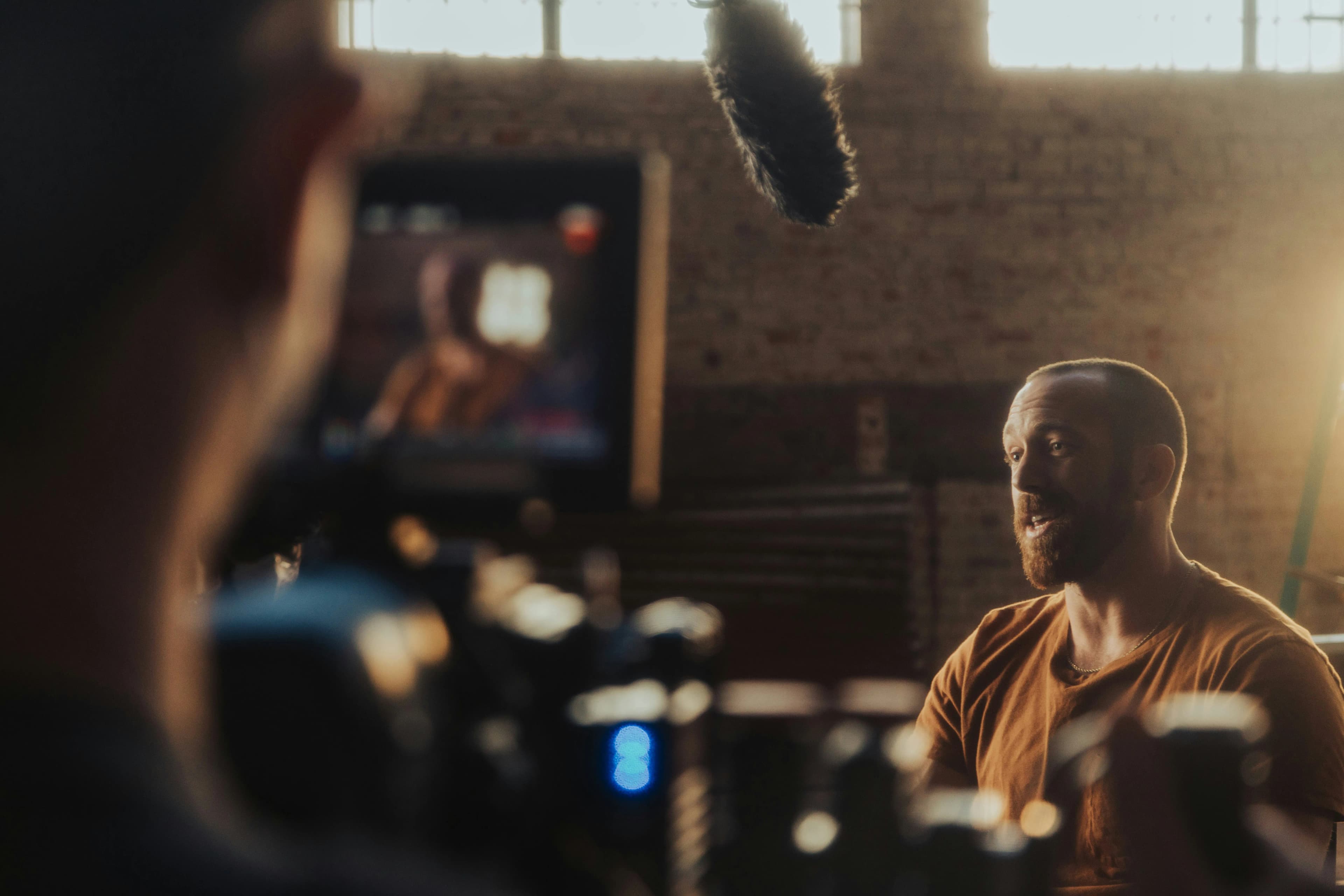
Personal stories are among the most powerful forms of Christian social media content. A genuine testimony can help people see how faith connects with real life and demonstrate how God is working through ordinary people and everyday experiences.
Good testimony gathering begins with listening. Before recording, spend time talking with the person and understanding their story. Ask: What happened? What changed? Where did faith make a difference? Look for one central idea rather than trying to include every detail of someone's life.
During the interview, use open-ended questions.
Instead of asking, “Did your church support you?” ask, “How did your church community support you during that time?” Questions beginning with how, what, and why usually encourage fuller and more natural answers.
Create an environment where people feel comfortable speaking honestly. Avoid rushing to the next question. Listen carefully and ask follow-up questions when something meaningful emerges. Sometimes the best part of an interview is something you never planned to discuss.
For Christian testimonies, allow people to describe faith in their own words. Do not pressure someone to make their story sound more dramatic or spiritual. Authenticity is more powerful than exaggeration.
Consent and sensitivity are essential. Make sure people understand where their story may appear and obtain appropriate permission before publishing. Be particularly careful with stories involving children, health, relationships, trauma, finances, or other personal circumstances. Not every detail needs to become public content.
When editing, preserve the person's meaning and avoid removing context simply to create a dramatic social media moment.
Finally, look for short sections that can become Reels, quotes, photographs, articles, or podcast clips.
Before publishing, ask:
Does this faithfully represent the person's story?
Have we treated them with dignity?
Does it communicate hope without exploiting someone's vulnerability?
A Christian testimony should never treat a person as content. Their story is something they have entrusted to you—and that trust should be honoured.
Christian Interview & Testimony Gathering Checklist
Use this checklist when gathering personal stories and testimonies for social media, websites, podcasts, videos, articles and other ministry communications.
Before the Interview
☐ Identify why you want to tell this story.
☐ Spend time understanding the person's experience before recording.
☐ Identify one central message or theme.
☐ Explain how and where their story may be used.
☐ Obtain appropriate consent to record and publish.
☐ Discuss any subjects they do not want included.
☐ Never pressure someone into sharing personal information.
Helpful Interview Questions
☐ Tell me a little about yourself.
☐ What was happening in your life at the time?
☐ What was the biggest challenge you faced?
☐ How did you feel during that experience?
☐ Where did you see God working?
☐ How did your faith influence what happened?
☐ Was there a particular person, church community, or Bible passage that helped you?
☐ What changed as a result of this experience?
☐ What did you learn about God?
☐ What would you say to someone experiencing something similar today?
During the Interview
☐ Ask open-ended questions rather than questions requiring yes/no answers.
☐ Listen carefully instead of simply reading your next question.
☐ Ask natural follow-up questions.
☐ Allow pauses—people sometimes need time to think.
☐ Do not interrupt emotional or meaningful moments unnecessarily.
☐ Allow people to describe their faith in their own words.
☐ Never encourage someone to exaggerate their story.
Filming and Recording
☐ Choose a quiet, comfortable environment.
☐ Check lighting, camera framing and background.
☐ Position microphones correctly.
☐ Record a short audio and video test.
☐ Encourage the person to look at the interviewer rather than the camera when appropriate.
☐ Capture additional photographs and supporting footage if permission has been given.
Protecting People
☐ Treat sensitive information carefully.
☐ Consider whether identifying someone could cause harm or embarrassment.
☐ Take additional care with children and vulnerable people.
☐ Avoid unnecessarily publishing information about health, relationships, finances, trauma or family circumstances.
☐ Never exploit someone's difficult experience simply to create emotional content.
Editing
☐ Preserve the person's intended meaning.
☐ Do not manipulate answers by removing important context.
☐ Check names, dates, locations and other facts.
☐ Remove anything the participant has asked not to include.
☐ Consider allowing the participant to review sensitive material before publication.
Creating Social Media Content
From one interview, consider creating:
☐ A short testimony video
☐ Instagram Reels
☐ Quote graphics
☐ Photographs with captions
☐ A longer written testimony
☐ A blog article
☐ Podcast excerpts
☐ Stories or carousel posts
Before Publishing
Ask:
Do we have permission to publish this?
Does it accurately represent the person's story?
Have we protected their dignity and privacy?
Have we preserved the context of what they said?
Does the story communicate hope authentically?
Does it help people understand something meaningful about faith and Jesus?
Remember
People are more important than content.
A testimony is not simply material for your next social media post. It is part of someone's life that they have trusted you to share.
Tell it truthfully. Tell it sensitively. Tell it with their dignity intact.